

When you feel run down with a fever, sore throat, and fatigue, you might think it’s just a viróza, virová infekce, která postihuje dýchací cesty a často způsobuje celkové zhoršení zdraví. Also known as virová infekce, it doesn’t just make you feel miserable—it can also trigger pain in your teeth and gums, even if you’ve never had dental problems before. Many people don’t realize that when your body fights off a virus, your immune system goes into overdrive. This can lower your mouth’s natural defenses, letting bacteria that normally sit quietly on your teeth and gums start causing trouble.
That’s why a simple cold or flu can suddenly make your teeth sensitive, your gums swollen, or even cause sharp pains that feel like a cavity. It’s not always the virus itself attacking your teeth—it’s the side effects. Dry mouth from fever or breathing through your mouth, reduced saliva flow, poor hygiene during illness, or even stress-induced clenching can all combine to make your mouth feel like it’s on fire. And if you already have gum inflammation or hidden dental issues, a viróza can turn a minor problem into a full-blown emergency.
Viróza also relates closely to zubní bolest, especially when it’s mistaken for tooth decay. You might think you need a filling, but the real culprit is your immune system reacting to the virus. The same goes for zánět dásní. When your body is busy fighting off a virus, your gums become more vulnerable. Even mild gingivitis can flare up into painful, bleeding gums during or right after an infection. And if you’re not brushing properly because you’re too tired, plaque builds up faster—making everything worse.
What most people don’t know is that your imunita and your dental health are deeply connected. A strong immune system keeps harmful bacteria in check. But when you’re sick, that balance breaks. That’s why some people get mouth ulcers, bad breath, or even abscesses after a virus—even if they brush twice a day. It’s not about laziness. It’s about your body being overwhelmed.
If you’ve ever had a toothache during a cold and wondered why, you’re not alone. Many of the posts below explain exactly this: how infections, stress, and immunity affect your mouth. You’ll find practical tips on how to protect your teeth while you’re sick, what to avoid eating, when to call a dentist instead of waiting it out, and how to tell if your pain is really from a virus—or something more serious. Some even cover how viruses can trigger jaw tension, worsen bruxism, or make orthodontic appliances feel more uncomfortable than usual.
There’s no magic cure, but knowing how your body reacts helps you act faster. Don’t ignore tooth pain just because you have a cold. And don’t assume it’s all in your head. Viróza might not directly damage your teeth, but it creates the perfect conditions for problems to explode. The next time you feel sick, take a minute to check your gums, rinse with salt water, and stay hydrated. Small steps can prevent big problems later.

Viróza je nakažlivá infekce, která způsobuje průjem, zvracení a horečku. Zjistěte, jak se jí zbavit rychle a bez komplikací, co jíst, co vynechat a kdy jít k lékaři.
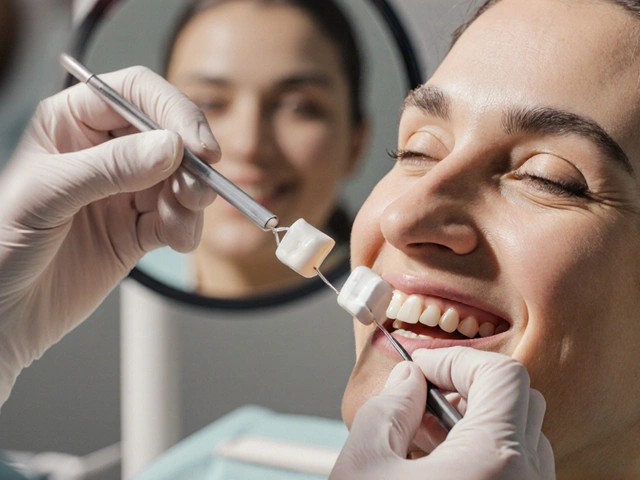
Fazety jsou tenké keramické destičky, které se přilepí na přední zuby pro vylepšení barvy, tvaru nebo polohy. Jsou trvalé, přirozeně vypadají a vyžadují stejnou péči jako přirozené zuby.
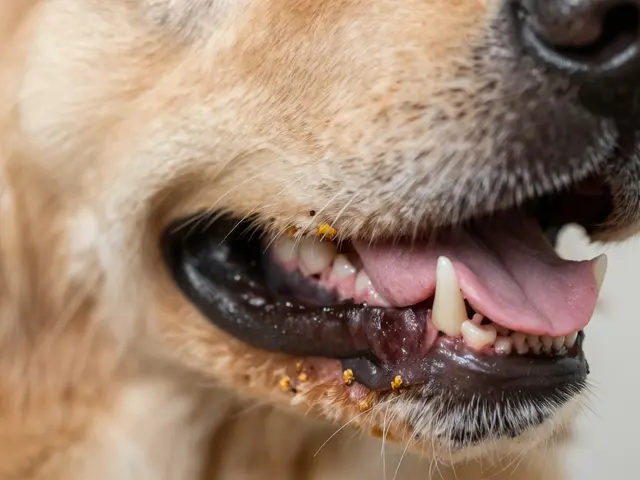
Zjistěte, jak bezpečně odstranit zubní kámen u psa bez narkózy. Přečtěte si o domácích metodách, rizicích ultrazvuku bez anestezie a kdy je nutná profesionální péče.
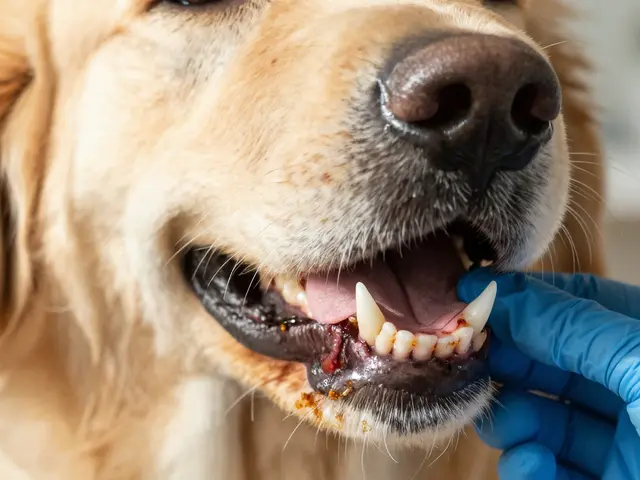
Naučte se bezpečně odstranit zubní kámen u psa doma pomocí ultrazvuku a správné hygieny. Poradíme vám, jak předejít bolestivým onemocněním dásní a kdy je nutná návštěva veterináře.
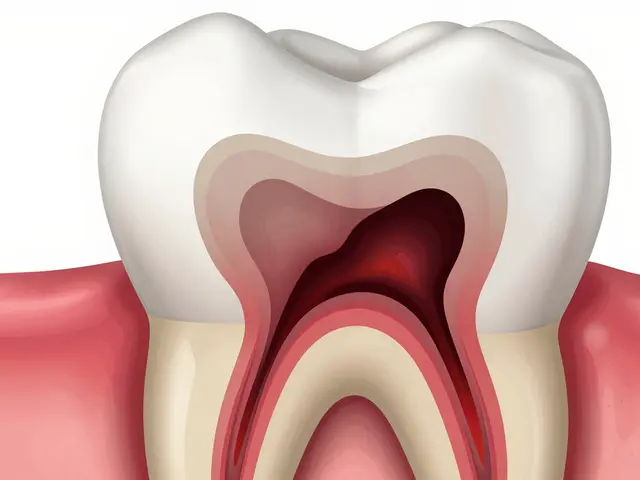
Jak poznat zánět v mrtvém zubu? Přečtěte si o příznacích, jako je změna barvy zubu, bolest při tlaku a otoky dásní. Zjistěte, proč je důležité rychle reagovat a jaké jsou možnosti léčby.
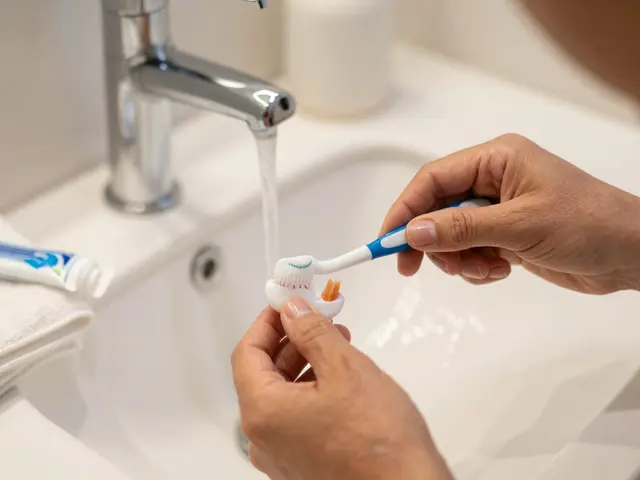
Zjistěte, jak správně nalepit zubní protézu, aby neklouzala a neboštila. Krok za krokem: čištění, volba lepidla, aplikace a údržba. Vyřešte problémy s fixací bez zbytečného stresu.