

When it comes to naturopatie, přirozený přístup k léčbě a prevenci, který se zaměřuje na tělo jako celek a vyhýbá se chemickým lékům. Also known as přirozená medicína, it is often promoted as a gentle alternative to conventional dentistry. But when it comes to your teeth, not everything that sounds natural is safe—or effective. Many people turn to naturopatie because they’re tired of feeling like just another patient in a clinical system. They want control. They want simplicity. They want solutions that don’t come with a pharmacy receipt. But here’s the hard truth: your gums don’t care if something is organic. They care if it removes plaque, reduces inflammation, and stops bacteria from eating your bone.
One of the most common claims in naturopatie is that oil pulling with coconut oil can replace brushing. Or that salt scrubs clean your teeth better than toothpaste. Or that eating certain fruits can dissolve tartar. These sound nice. They feel right. But science doesn’t back them up. zubní kámen, tvrdý nános bakterií a minerálů, který se tvoří pod a nad dásní a nemůže být odstraněn běžným čištěním won’t vanish because you swished oil for 20 minutes. And zubní hygiena, systémová péče o ústa, která zahrnuje čištění, výživu a pravidelné návštěvy zubaře isn’t optional—it’s non-negotiable. You can’t out-eat a cavity. You can’t meditate away gum disease. And no herbal rinse will fix a root canal infection.
That said, naturopatie isn’t all bad. Some of its principles actually align with good dental care. Eating less sugar? Yes. Reducing processed foods? Absolutely. Getting enough vitamin D and K2 for strong enamel? Smart. The problem isn’t the natural approach—it’s the misinformation. People confuse "natural" with "effective," and that’s dangerous. A study from the University of Bern found that people who relied only on oil pulling had 3 times more cavities than those who brushed twice daily. That’s not a coincidence. That’s a warning.
So what should you do? Use naturopatie as a support—not a substitute. If you like chewing on clove for temporary pain relief, go ahead. If you enjoy rinsing with salt water after surgery, fine. But don’t skip your hygienist appointment because you think apple cider vinegar "detoxes" your mouth. Don’t avoid X-rays because you’re afraid of radiation—your dentist needs to see what’s under the gumline. And please, stop using baking soda or lemon juice to whiten your teeth. Those don’t whiten. They erode.
The posts below aren’t here to sell you magic remedies. They’re here to give you real, practical advice—based on what actually works in a dental chair, not a wellness blog. You’ll find out why ultrasonic cleaning beats manual scraping, how to prevent tartar with your diet, what really causes sensitive teeth, and why even "natural" products like activated charcoal can hurt more than help. We’re not against nature—we’re for results. And when it comes to your teeth, results mean keeping them healthy, not just feeling good about what you put in your mouth.
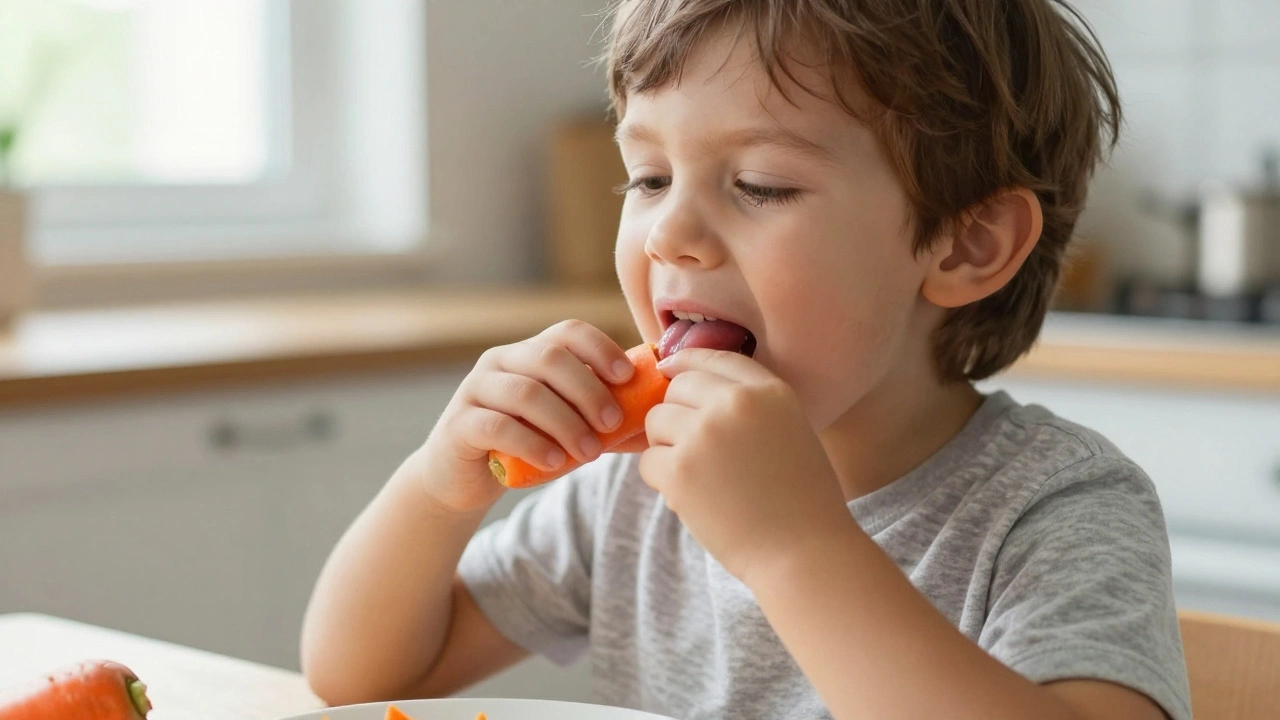
Křivé zuby mohou být přirozeně napraveny pomocí naturopatie - myofunkční terapie, správného dýchání a výživy. Naučte se, jak změnit životní styl a zabránit návratu křivých zubů bez drátků.
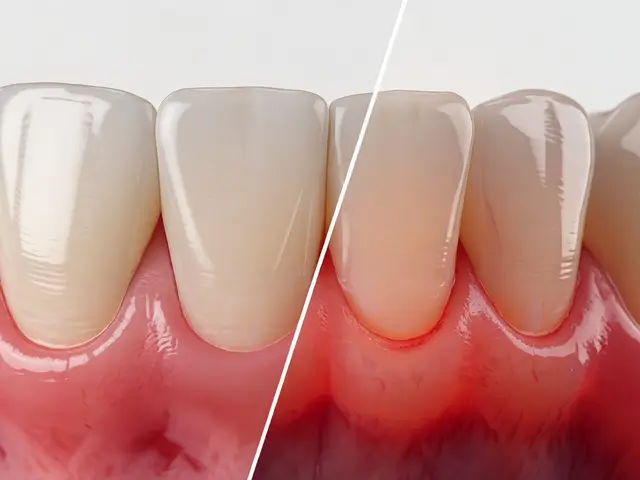
Těhotenské hormony mění dásně a zvyšují riziko zánětů. Zjistěte, jak zubní plak ovlivňuje těhotenství, jaké jsou rizika pro miminko a jak efektivně pečovat o zuby.
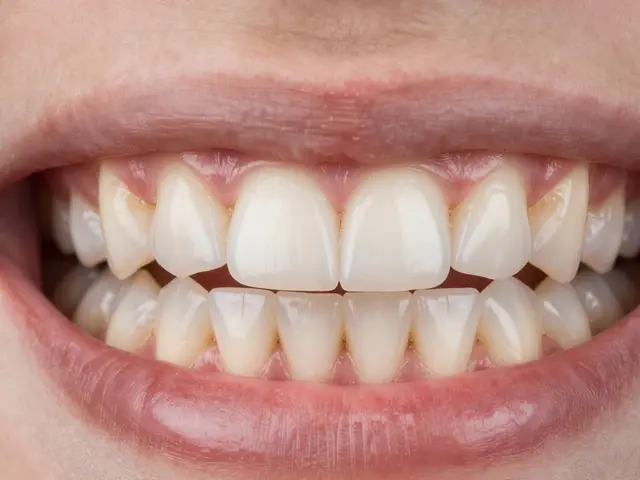
Chrup se dělí na čtyři typy zubů: řezáky, kličky, přední a zadní kličky. Každý má jinou funkci - od řezání až po mletí potravy. Pojďte se dozvědět, jak fungují a proč je důležité je chránit.
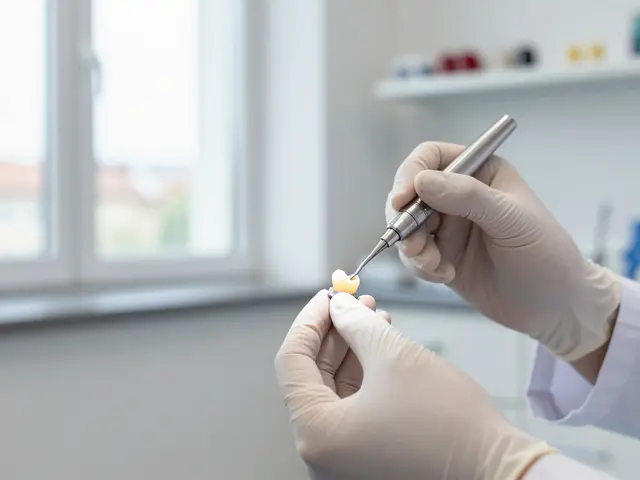
Kolik stojí metalokeramická korunka bez pojištění v roce 2026? Cena se pohybuje mezi 3 500 a 7 500 Kč, ale kvalita závisí na materiálu, klinice a zkušenostech lékaře. Zjistěte, jak vybrat správnou korunku a vyhnout se drahým chybám.
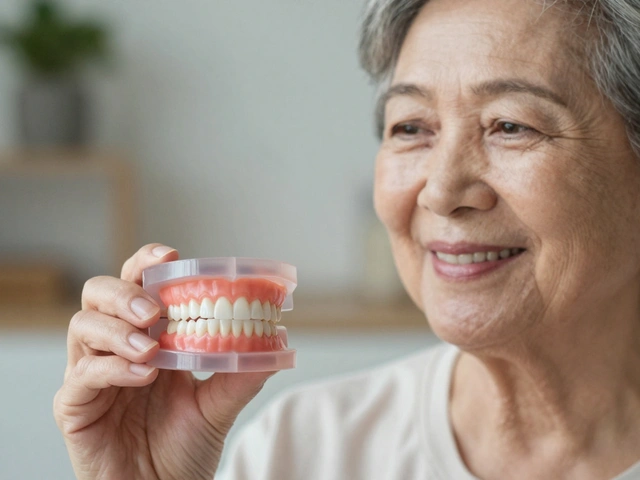
Nasazovací zuby jsou moderní řešení pro ztrátu zubů - od levných odstranitelných protéz po fixní implantáty. Zjistěte, jak fungují, jak se o ně starat a kdy je vhodné zvolit.
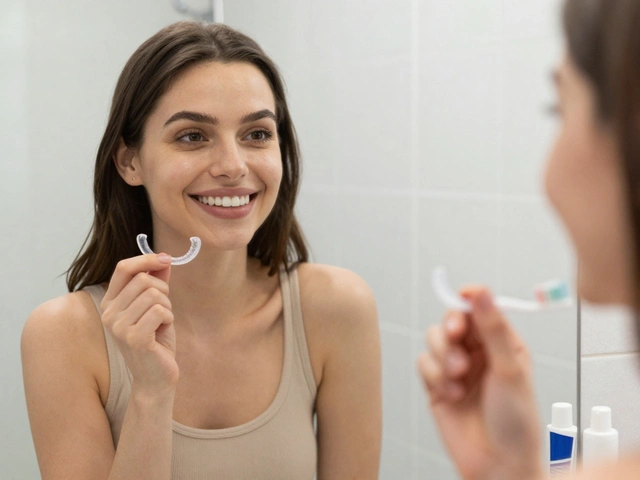
Sady na bělení zubů nejen zlepší vzhled vašich zubů, ale mohou změnit i vaše sebevědomí, každodenní návyky a způsob, jakým se staráte o sebe. Zjistěte, jak to funguje a co na to potřebujete.